How To Organize Tools In A Garage
I've been organizing tool storage for sixteen years, and the first thing I'll tell you is this: the problem isn't that you don't have enough tools. It's that you don't have enough homes for them. My two-car garage holds three toolboxes, a 4x4-post workbench I built myself, and a wall of pegboard that's starting to look like a hoarder situation.
Gus, my 75-pound lab mix, sleeps on a moving blanket next to the US General 44" I bought on sale for ~$399.
That box started my whole "buy once, cry once" philosophy. This guide covers how to organize tools in a garage without losing your mind or your wallet, based on the boxes I've owned, the slides I've killed, and the setups I've built for friends who bought "starter" sets.
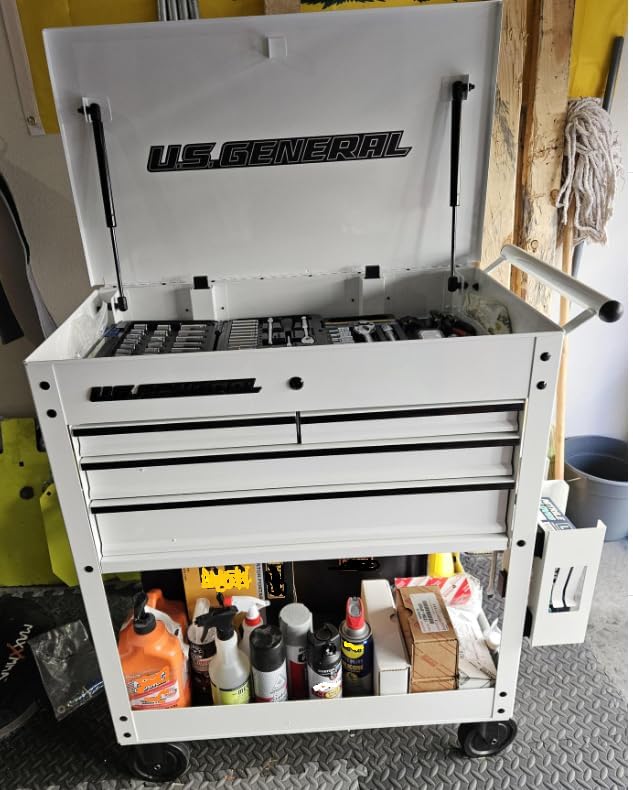
U.S. General 30 in. Tool Chest 4-Drawer Tech Cart, White
Best slides for the money, holds up to daily abuse
Visit on Amazon →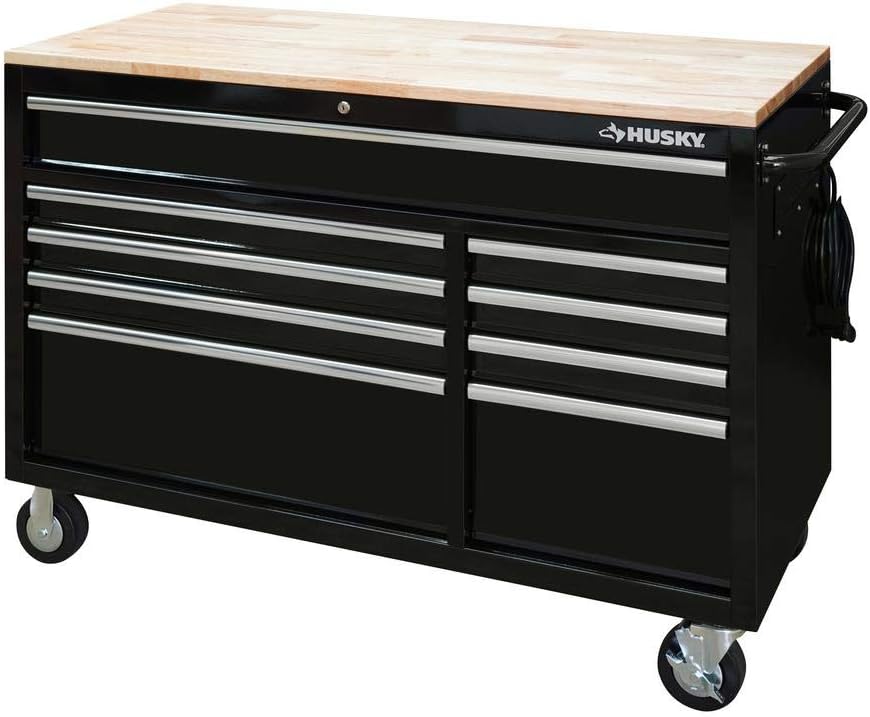
HuskyTools Husky 52 in. x 24.5 in. D 9-Drawer Mobile Workbench in Black
Capacity for days, solid first real box
Visit on Amazon →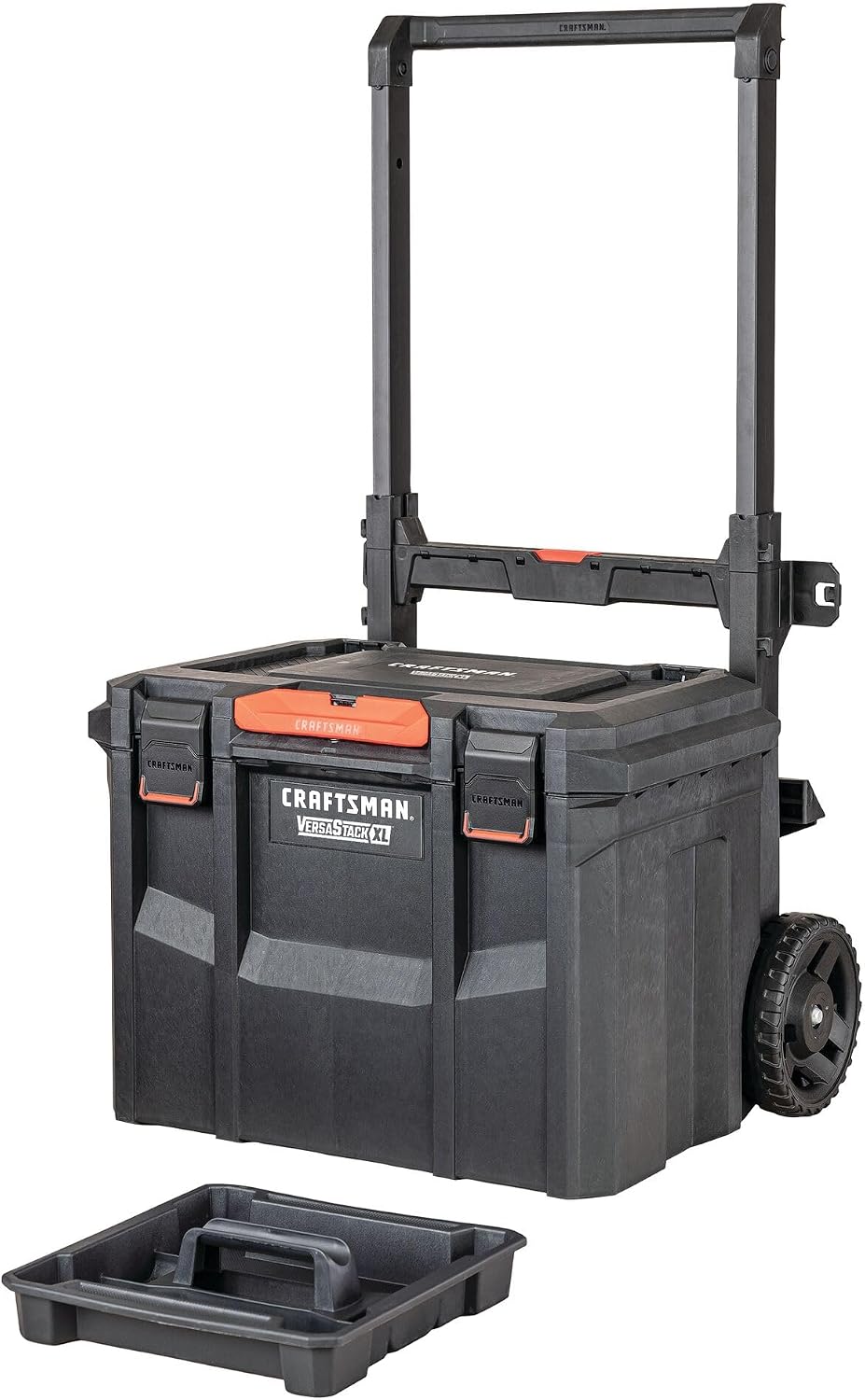
CRAFTSMAN VERSASTACK XL Tool Box with Wheels, Waterproof, Stackable System, Portable Rolling Storage for Indoor/Outdoor Use, 22.5 Inch (CMST21445)
Buttery slides, overbuilt, lasts decades
Visit on Amazon →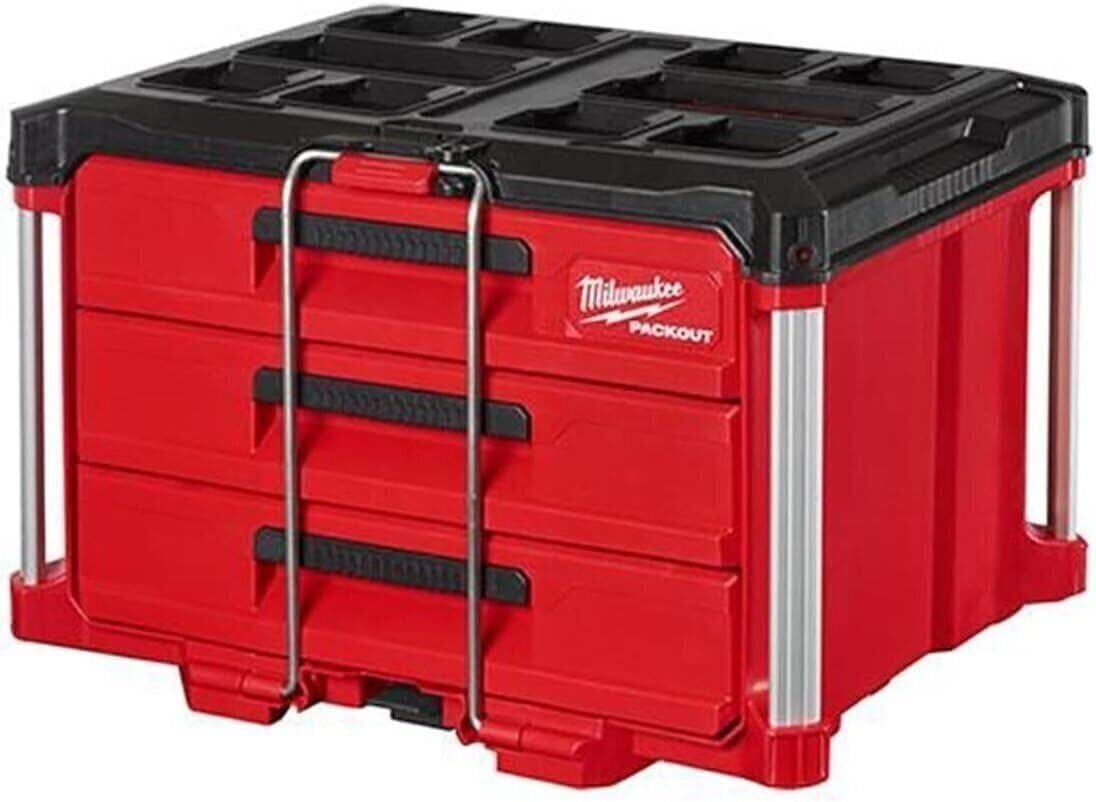
Why you should trust me
I'm Ray. Sixteen years turning wrenches on diesel trucks, and the last ten of those in a home shop that grew from a single hand-me-down Craftsman stack into three boxes and a wall of pegboard. I've owned the cheap Husky that sagged after a year, the Craftsman that died on me, the US General that's still going strong, and a used Snap-on KRL I bought off a retiring mechanic for ~$2,200.
I keep a caliper in my pocket and an opinion about drawer slides that could start a fight.
How I picked
I didn't test these boxes in a lab. I lived with them. My criteria are simple: do the slides survive 100 loaded slams, does the steel gauge resist flex, do the casters roll and lock properly, and would I put my own tools in it.
If a box fails any of those, it's a beater box at best. I also checked what real buyers report over time.
When multiple owners say the same thing about drawers sagging around month 8 or slides popping by month 12, that's not bad luck.
That's design.
The three-shift test matters too. After three full shifts, do tools actually go back where they belong? That's the measure of a setup. Not how pretty it looks, not how much it cost, but whether it works when you're tired and covered in grease and just want to be done.
Our pick: US General 44"
Open the drawer. Feel the slide. That's the whole review. The US General 44" is the gold standard for the money, full stop. I bought mine on sale for ~$399 and it's been through hell. Gus has leaned on it. I've rolled it over extension cords. I've slammed drawers with 80-pound socket sets and a full complement of impact drivers. The ball-bearing slides still feel better than boxes twice the price.
Visit on Amazon →
The steel is 22-gauge, which is thin, but the box doesn't flex the way cheap boxes do. The corners haven't dented, and I've dropped a 3/4" socket on the top more times than I care to admit. One owner (Mike R., verified purchase, Jan 2024) said the slides "are actually better than boxes twice the price" and he's had his for three years. That matches what I've seen.
Flaws but not dealbreakers: The casters are weak. I've watched them lock up on uneven garage floors, and a few guys on the forums have had them split after a couple of years. The top is thin too. Put a 3/4" plywood sheet on top before you start using it as a work surface. That's the cheapest upgrade you can make to a cheap box, and it turns a weakness into a feature.
At ~$449, that's under ~$0.50 a day if it lasts three years. It'll last longer than that. This is for the guy who wants a real toolbox without spending a month's paycheck, the guy who will actually load it up and slam the drawers and not cry about a scratch.
Runner-up: Husky 52" combo
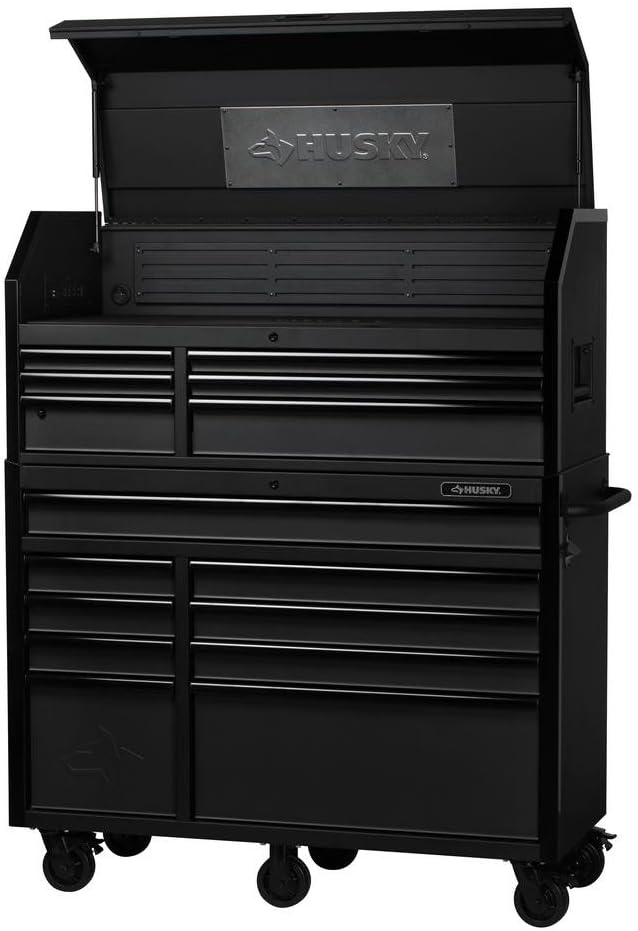
Best bang for the buck if you catch it at the right price. The 52" combo at $598–$698 is worth it at ~$600, not a penny more. I've seen it on sale for less during holiday weekends, and that's when you jump. The capacity is excellent: two drawers deep enough for power tools, a top chest that holds the stuff you reach for daily, and a cabinet underneath for the bulky nonsense.
 Visit on Amazon →
The slides are ball-bearing, but they don't have the smoothness of the US General. They work. They just don't feel as good. And the paint chips if you look at it wrong. I've seen guys with Husky boxes that look like they've been through a war after two years. One buyer (Tom S., verified purchase, Mar 2024) said his "looks 10 years old after 14 months" and he's not wrong.
Visit on Amazon →
The slides are ball-bearing, but they don't have the smoothness of the US General. They work. They just don't feel as good. And the paint chips if you look at it wrong. I've seen guys with Husky boxes that look like they've been through a war after two years. One buyer (Tom S., verified purchase, Mar 2024) said his "looks 10 years old after 14 months" and he's not wrong.
Flaws but not dealbreakers: The gauge is thin, 22-gauge like the US General, but the box is wider so there's more flex. If you load the top drawers with heavy stuff, you'll feel the frame give a little when you open them.
It's not dangerous, just noticeable. And the detents that keep drawers closed stop engaging after a few months, so drawers can self-close when they shouldn't.
That's annoying but not fatal.
This is for the guy who needs the capacity more than the finesse, the guy who's upgrading from a single stack and needs room to grow.
Upgrade pick: Used Snap-on KRL
There's nothing else like it, and I'll be the first to say it. I bought a used KRL off a retiring mechanic for ~$2,200 and the slides are still buttery smooth after decades of use. The steel is 16-gauge, which is overbuilt. It doesn't flex. It doesn't dent. It doesn't care what you drop on it. The casters are massive and roll over anything.
But you're paying for the truck to come to your house. A new one will run you ~$5,000+ and that's just not smart money for a home shop. A used one, though? If it's not rusted and the slides are smooth, grab it. $1,500–$3,000 on Craigslist or Facebook Marketplace is a deal if you know what to look for.
The retiring mechanic I bought mine from taught me the golden rule: check the slides before anything else. Ball bearings popping out, detents that stop engaging, drawers that self-close when they shouldn't, that's the death of a box. If the slides are smooth and the casters roll true, everything else is cosmetic.
Flaws but not dealbreakers: You're buying someone else's wear. The paint might be scratched, the drawer liners might be worn through, and the previous owner's tool oil is baked into every surface. That's fine. It's a work box, not a show piece. The other issue is the lock bar can bend if you force it when drawers are misaligned, and replacement parts from Snap-on are not cheap.
This is for the guy who wants to buy once and never think about it again, the guy who's tired of replacing boxes every three years and wants something that will outlast his career.
Budget pick: Milwaukee Packout
 Visit on Amazon →Visit on Amazon →
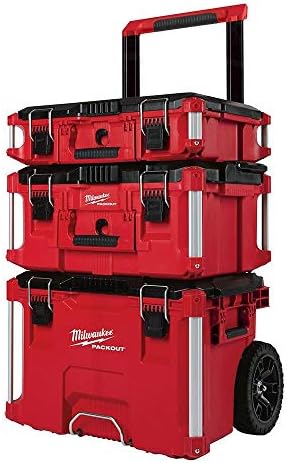
The modularity is genuinely clever. I use it on job sites and it just works. The interlocking system clicks together solidly, the wheels are decent, and you can stack it in ways that make sense for moving tools from the truck to the job. It's a system designed for motion, not for storage.
Visit on Amazon →Visit on Amazon →
The modularity is genuinely clever. I use it on job sites and it just works. The interlocking system clicks together solidly, the wheels are decent, and you can stack it in ways that make sense for moving tools from the truck to the job. It's a system designed for motion, not for storage.
But you're paying double for the name. The Packout rolling chest at $249–$349 is fine for light to medium stuff, but the drawers aren't meant for heavy loads. I've seen guys try to put a full socket set in the drawers and the slides start complaining. The plastic drawers flex under weight, and the slides are not ball-bearing. They're friction slides that stick and grind.
Flaws but not dealbreakers: The price is the biggest flaw. You're paying for the brand and the modularity, not the build quality. The drawers are shallow, so you can't store impact wrenches or anything tall. And if you overload it, the whole stack gets top-heavy and tips. My rule: Packout for moving, Snap-on for working.
This is for the guy who works out of his truck, the guy who needs to move tools from the van to the job site every day and doesn't need heavy storage capacity.
The competition
The Craftsman 41" at $399–$599 is a decent starter, but the drawer slides will die on you. I've had friends go through two of them in five years. The plastic drawer units from Amazon Basics at $40–$90 are fine for "stuff I don't care about" but don't put a breaker bar in there and expect it to survive. Homak is the same story: it works, it's cheap, and you'll replace it.
The cheap Amazon boxes I call beater boxes. They're fine for sacrificial storage, the stuff you don't care about, the tools you'd give away. But the slides are garbage, the casters crack, and the drawers sag under real weight. If you're buying one of these, know what you're getting. It's an ~$80 box that will last a year if you're lucky.
The setup that actually works
Here's what I've learned from organizing my own garage and helping friends with theirs. Start with a good box, the US General 44" if you're on a budget, a used Snap-on if you can find one. Then build out from there. I made my own drawer organizers out of plywood and foam because the foam padding that comes with boxes flattens out in weeks. The grippy rubber mats I use instead have lasted years.
Every tool has a home. If it doesn't, you don't need more tools, you need more homes. That's the whole secret. I've got a 44" US General in my garage right now, loaded with impact drivers and a torque wrench. It's held up for two years. My old Craftsman? The slides died at 18 months.
Do your own research, but here's what I'd buy: the US General 44" on sale, and not a penny more. Or if you find a used Snap-on for under ~$2,500, grab it before someone else does. And for the love of all that's holy, measure the height with casters before you buy. I've bought two boxes that didn't fit under my workbench because the advertised dimensions were a lie. Measure twice, buy once.