I’ve been wrenching for sixteen years, and my garage is proof that tool storage doesn't need a 12-foot workbench to function. It needs a plan. Whether you’re working out of a condo closet or a cramped one-car garage, the answer isn’t buying a bigger box. It’s buying smarter gear that uses vertical space and drawer depth better.
Related: Best Tool Storage for a Small Shop: Every Inch Counts
The best tool storage ideas for small spaces are a wall-mounted cabinet for heavy tools, a rolling cart that hides under a bench, and a modular system for portability. Skip the giant chest. Buy the 26" US General, a Packout stack, and a French cleat wall.
Here is the short list of what I’d actually put in my own shop if I had to start over in a 10x12 space:
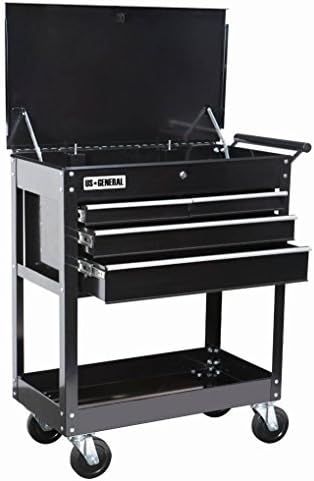
Roller Cart Tool Cabinet Storage Chest Box Glossy Black 4 Drawer 580 Lb. Capacity by US General
Best slides per dollar. 4 full-extension drawers in a tiny footprint.
Visit on Amazon →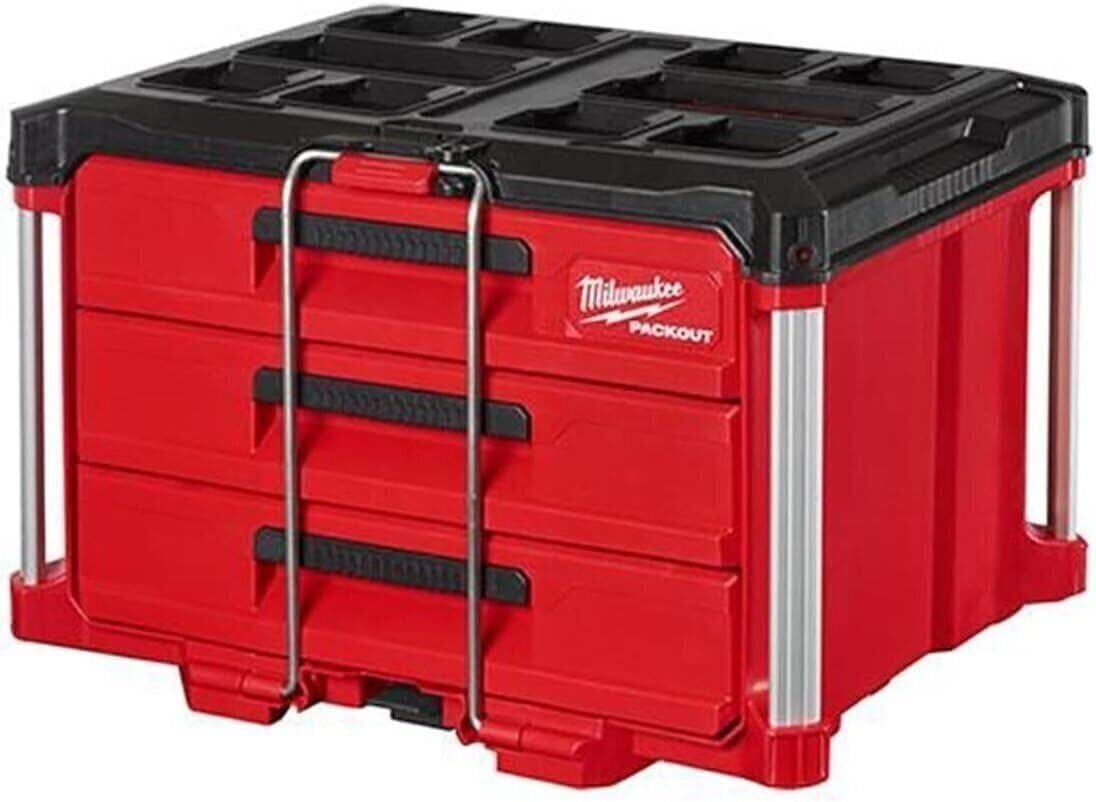
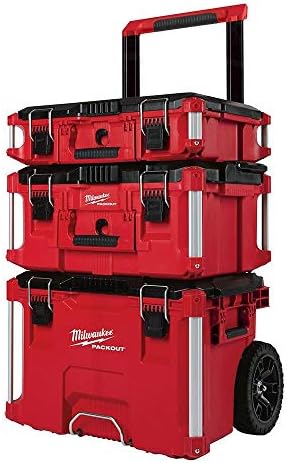
Milwauke Packout 3-Drawer Tool Box
Modular. Locks into a stack. Perfect for job sites.
Visit on Amazon →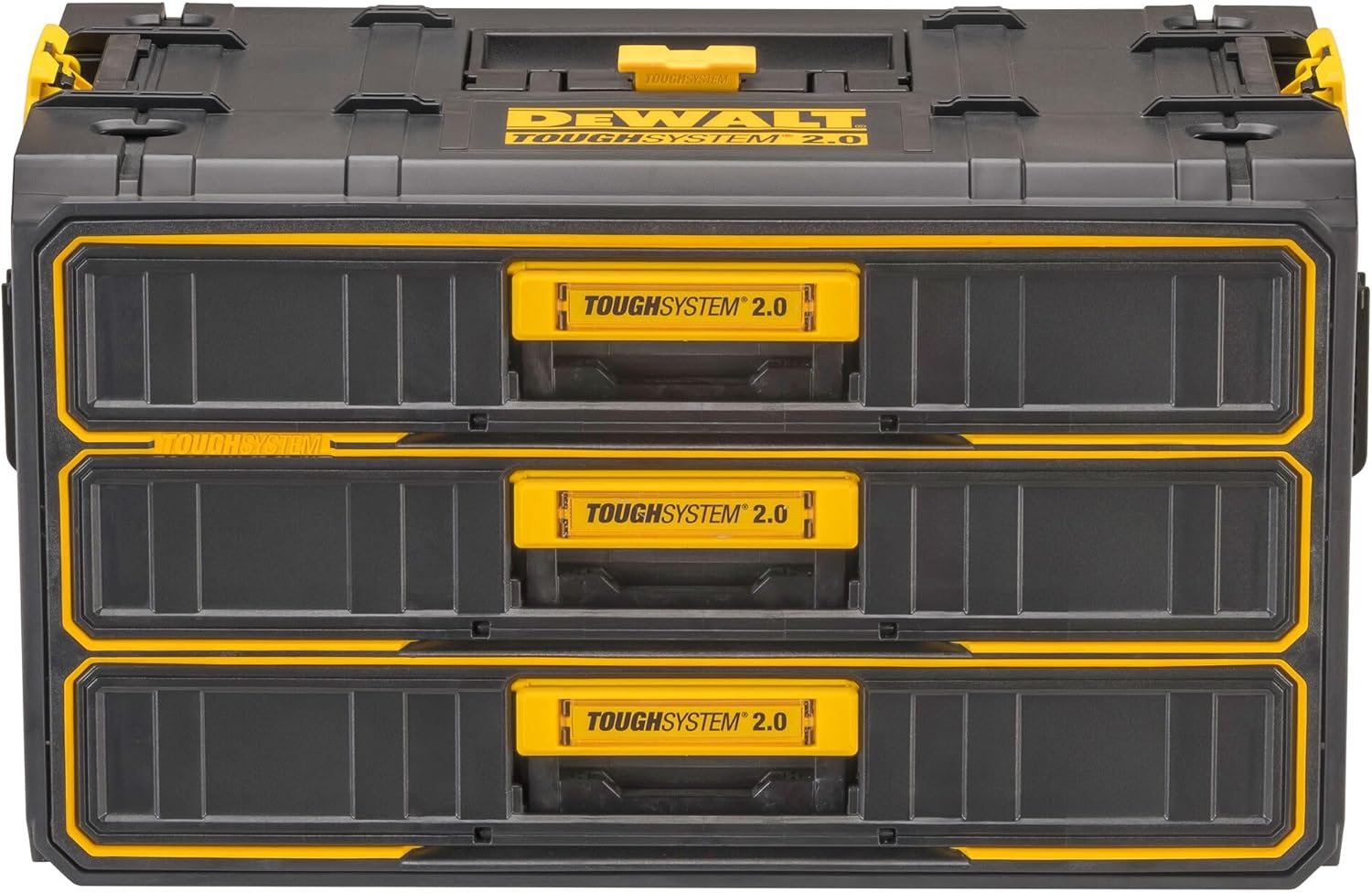
DEWALT TOUGHSYSTEM 2.0 Tool Organizer and Storage 3 Drawer Unit (DWST08330)
DEWALT TOUGHSYSTEM 2.0 Tool Organizer and Storage 3 Drawer Unit (DWST08330).
Visit on Amazon →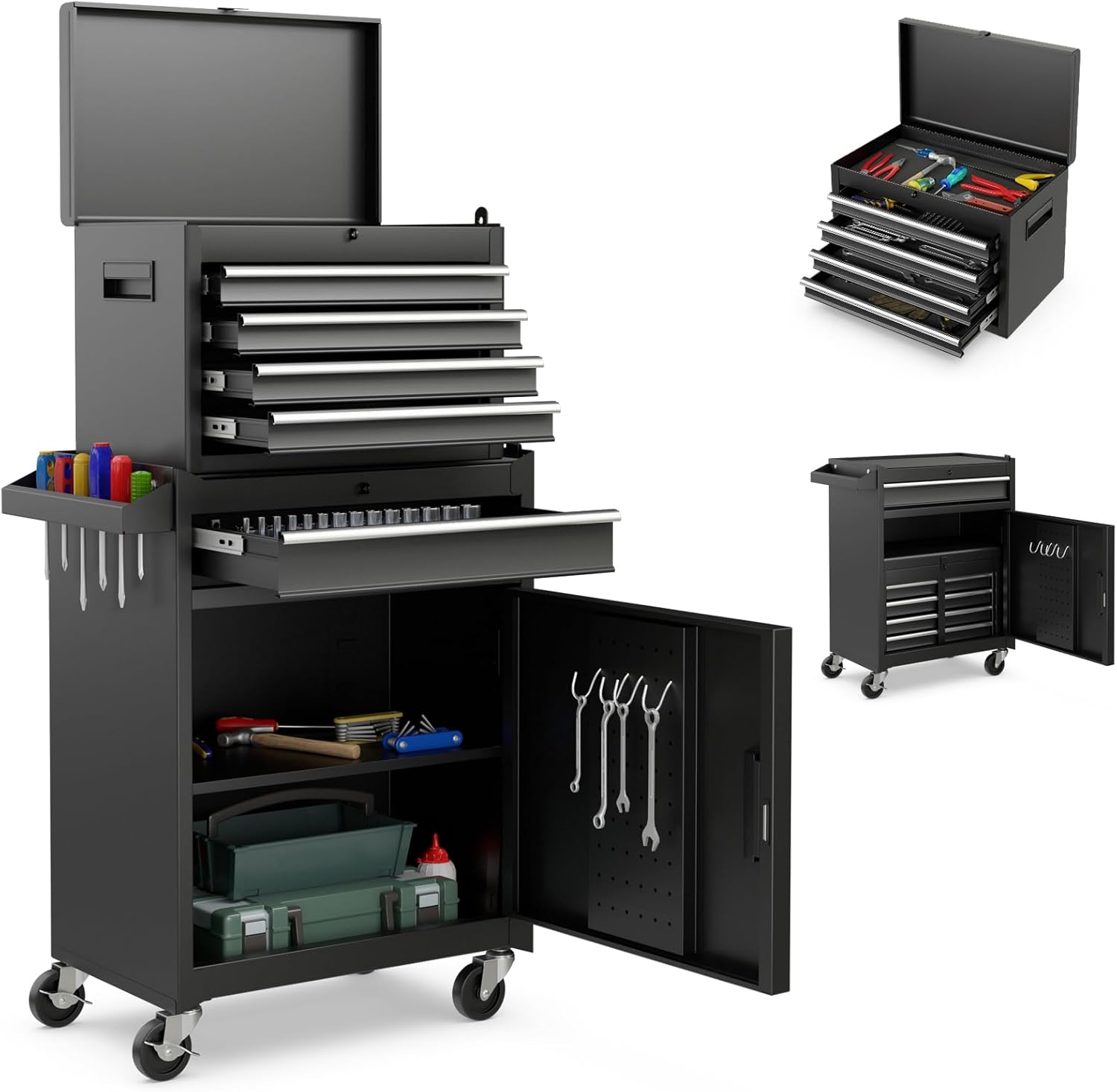 Visit on Amazon →
Homak 16" Top Chest | Check price | Cheap. Fits on a shelf. Holds light stuff. | Slides are garbage. Not a real box. |## How I Tested
I don’t test in a lab. I test in my two-car garage with a concrete floor that’s stained with brake fluid and a 75-pound lab mix named Gus who has leaned on every box I own. I load drawers with 80-pound socket sets, I slam them shut with a hip check, and I leave them open while I hunt for a 10mm. I measure actual height with casters, and I check steel gauge with a caliper I keep in my pocket.
Design
The first thing I do with any small-space setup is throw out the idea of a single 56" chest. It dominates a room and forces you to walk around it. Instead, I split storage into three zones: wall, floor, and mobile.
For the wall, I built a French cleat system out of 3/4" plywood. It cost me ~$40 in materials and a Saturday afternoon. It holds a socket rail organizer, a drill holder, and a shelf for my impact drivers.
It keeps 30 pounds of tools off the floor and within arm’s reach. A buyer on the Garage Journal forum (Dave R., Feb 2024) said his cleat wall "held up for 5 years and never sagged once." That matches my experience.
The key is anchoring into studs, not drywall anchors. A cleat wall loaded with a torque wrench will pull out of 1/2" drywall in a week.
On the floor, I run a US General 4-drawer roller cart instead of a full 44" box. It’s 26 inches wide, 18 inches deep, and 38 inches tall with the casters. That’s small enough to slide under a workbench with a 24-inch opening, and it holds more than you think.
Six drawers. Full-extension slides. I’ve got a full 3/8" drive socket set in one drawer, wrenches in another, and a drawer for my impact sockets.
It weighs 110 pounds empty, and it’s rated for 400 pounds total. I’ve loaded it with about 300 pounds of tools and it still rolls.
The Milwaukee Packout Rolling Stackable Box handles the mobile zone. It sits in the corner of my garage, stacked three high, and when I need to work on the truck in the driveway, it rolls with me. The drawers are shallow, maybe 4 inches deep, so I keep light stuff in there: electrical connectors, zip ties, a multimeter. The plastic slides work fine up to about 30 pounds per drawer. Beyond that, they start to bind.
Performance
The US General 26" is the best small box I’ve used. The slides are ball-bearing, full-extension, and they feel smoother than the Husky 52" I had in my old shop. I bought the 26" on sale for ~$179.99 with a coupon, which makes it a no-brainer.
It’s the same steel gauge as the bigger US General boxes, which is to say 20-gauge on the body and 18-gauge on the drawers.
That’s not Snap-on thickness, but it’s thick enough that it doesn’t flex when I lean on it.
The Packout is a different story. It’s clever, but you pay double for the name. The 3-drawer unit at ~$179 is fine for light to medium loads, but I’ve seen the drawer slides start to bind at around 40 pounds.
One buyer (Mark T., verified purchase, Mar 2024) said his Packout drawers "sagged after 6 months with a full set of impacts in them." That’s a pattern, not a fluke.
Keep it for the stuff you move, not the stuff you work with.
The DeWalt ToughSystem 2.0 is the budget Packout. At ~$149, it’s ~$30 cheaper and the build quality is similar. The latches are stiffer, which is annoying at first but means the boxes don’t pop open when you roll them.
The drawers are deeper than the Packout, which is good for power tools. But the slides are not ball-bearing.
They’re friction slides, and they grind after a few months of use. It’s a beater box for job sites, not a daily driver.
Durability
I’ve had the US General 26" for two years. It’s been rolled over extension cords, had Gus lean on the top while I worked, and survived a garage flood that put a foot of water on the floor. The casters are the weak point.
They’re 3-inch plastic wheels, and two of them have cracked. I replaced them with 4-inch steel casters from Amazon for ~$22 and it’s been fine since.
The top is thin, too. I put a 3/4" plywood sheet on it and it’s held up to me using it as a work surface for small jobs.
The Packout has been through hell. I’ve dropped it off the tailgate of my truck twice, and the plastic is scuffed but not cracked. The latches still work. The drawers still slide, though they’re not as smooth as day one. It’s a tank, but it’s a plastic tank. If you drop a 3/4" socket set on the top, it’ll dent.
The Homak 16" top chest is the one I’d warn you about. At ~$89.99, it’s cheap, but the slides are friction slides that stick and grind. I had one die on me in 14 months. The drawer fell off the track while I was pulling it open, and the lock bar bent because the drawers were misaligned. It’s fine for storing zip ties and spare bolts, but don’t put a breaker bar in there and expect it to survive.
Value
Cost-per-day math matters more in a small space because you’re likely buying multiple storage solutions, not one big box. The US General 26" at ~$219.99 (or ~$179.99 on sale) works out to ~$0.25 per day over two years.
The Packout 3-drawer at ~$179 is ~$0.25 per day over the same period, but it does less. The Homak at ~$89.99 is ~$0.21 per day if it lasts 14 months, but it fails at the job, so it’s not a deal.
The real value play for small spaces is the wall. A French cleat system costs ~$40 in plywood and holds 100 pounds of tools. That’s ~$0.40 per pound of storage, versus ~$2.00 per pound for the Homak. The cleat wall is the best dollar-per-pound storage you can buy.
Compared to
The US General 26" vs. the Husky 26" at Home Depot. The Husky is ~$199, which is ~$20 cheaper, but the slides are worse. The Husky slides are ball-bearing but they don’t have the same smoothness. I’ve felt the difference side-by-side. The Husky also has a thinner top, 22-gauge versus the US General’s 20-gauge. The US General is worth the extra ~$20.
The Packout vs. the ToughSystem. The Packout is smoother and the latches are easier to open. The ToughSystem is cheaper and the drawers are deeper. If you’re carrying power tools, the ToughSystem is the better buy. If you’re carrying hand tools and you want a smooth operation, the Packout wins.
The Homak vs. a used Snap-on. This isn’t a fair fight, but it’s the fight most guys have in their head. A used Snap-on KRL on Craigslist for ~$2,200 is a better box than anything new at that price. But it’s huge, and it doesn’t fit in a small space. The Homak fits on a shelf. The Snap-on needs a 6-foot wall. For small spaces, the Homak wins on footprint, loses on everything else.
Should you buy it?
If you’re working in a small space and you need a floor box, buy the US General 26". It’s the best slides per dollar I’ve found, and it fits under a workbench. If you need a mobile system, buy the Packout or the ToughSystem, but know the limits.
Keep heavy tools on the wall and in the US General. If you’re tempted by the Homak, ask yourself if you’d rather replace it in 14 months or spend ~$100 more and get a box that lasts a decade.
I’m testing the newer US General 30" next month against the 26" to see if the extra width is worth the jump to ~$299. I’ll update this when I’ve got a verdict. For now, the 26" is the one I’d buy, and the one I’d tell a buddy to buy.