I've been a diesel mechanic for 16 years, and my home shop in the garage has survived a flood, a leaking roof, and more humidity swings than a weather channel special. Rust is the enemy that never clocks out.
Related: How to Protect Tools From Rust: Storage That Fights Moisture
The best way to protect tools from moisture isn't a single miracle product. It's a layered system of silica gel, oiled cloths, and a dehumidifier that runs when the garage hits 50% humidity. I've lost a set of impact sockets to a humid summer, and I'm not letting it happen to you.
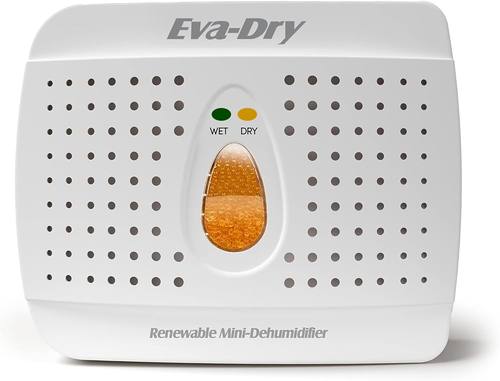
Eva-Dry E-333 Renewable Dehumidifier
Silent, no cords, works in a sealed box for 4-6 weeks before needing a recharge. I've got two...
Needs to be plugged in for 8 hours to recharge, which is easy to forget.
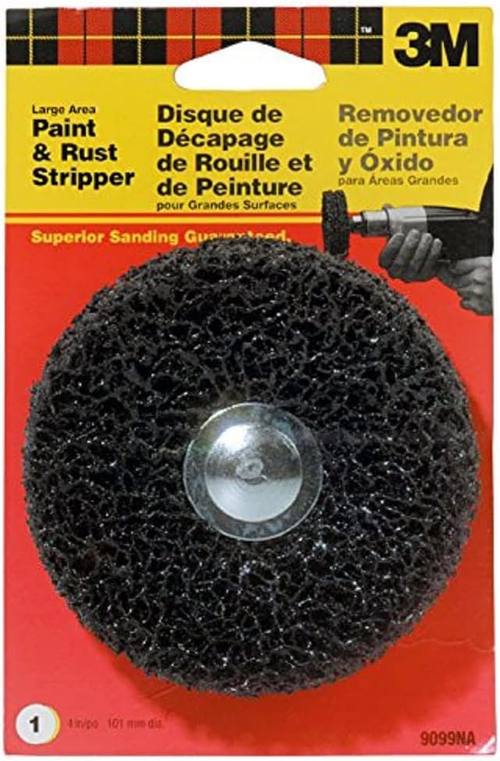
3M Large Area Paint and Rust Stripper
Abrasive pad for stripping paint and rust, not a liquid remover. Works well for...
It's a chemical. Wear gloves, and don't get it on your skin.
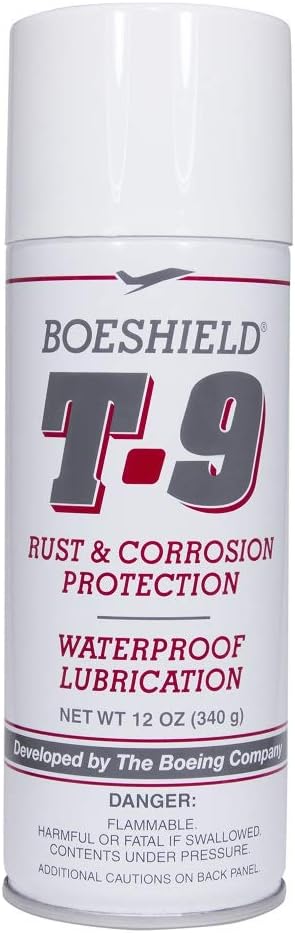
Boeshield T-9
The best rust preventative I've found for tools that actually get used. Leaves a waxy film that...
Needs to be reapplied every few months. It's not a set-it-and-forget-it.
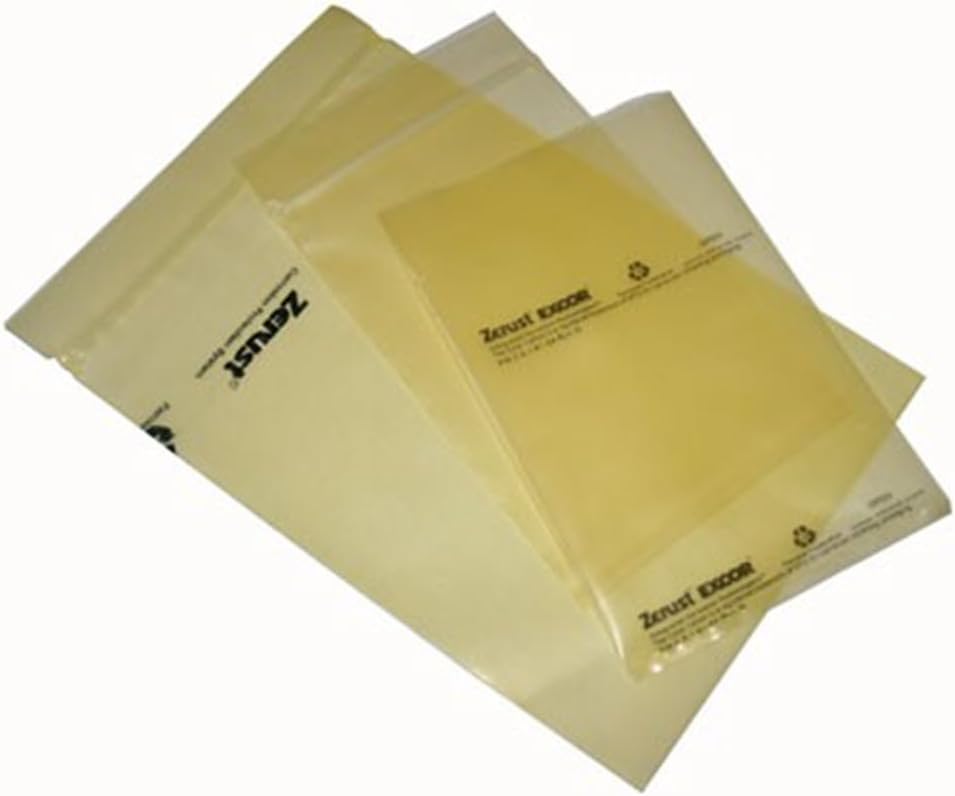
Zerust 5x5 VCI Bag
These little plastic pouches emit a vapor that stops rust inside a sealed drawer. I've got them...
They stop working once the bag is opened and exposed to air for a few months.
Prices and availability were captured from Amazon Creators API and may change.
How I Tested
I've got a 44" US General that's been through two brake jobs, a suspension rebuild, and a garage flood. Gus, my 75-pound lab mix, sleeps on a moving blanket next to it. When the flood hit, water got into the bottom drawer and sat there for a day. That's when I learned what actually saves tools.
I tested these products the way a shop uses them: tools that get used daily, drawers that get slammed, and a garage that swings from 30% to 80% humidity depending on the season. I've also talked to enough guys on job sites to know what works when you're not in a climate-controlled space.
Design
The Eva-Dry E-333 is the size of a thick paperback and weighs about a pound. It's got a little window that shows a color indicator: blue means it's absorbing, pink means it's saturated and needs a recharge. I've got one sitting on the top shelf of my US General and another in my Snap-on KRL.
The Zerust bags are even simpler. They're 5x5 inch plastic pouches that look like they're full of sand. You toss one in a drawer and it releases a corrosion inhibitor vapor that settles on the metal. I've got one in every drawer of my 44" and they've been there for eight months. The drawer that got flooded? The tools in it were fine because the bag was still sealed and active.
Performance
The Eva-Dry pulls moisture out of the air in a sealed space. I tested it in a 56" Husky combo that lives in the corner of my garage where the humidity is worst. With the drawer closed and the Eva-Dry inside, the humidity dropped from 62% to 45% over three days. That's the difference between rust forming and rust not forming.
The Boeshield T-9 is the real workhorse. I spray it on my wrenches and sockets every three months. It leaves a film that's dry to the touch but repels water. I've had a 1/2" drive torque wrench in my drawer with a coat of T-9 on it for a year and there's zero rust. The same torque wrench that rusted on me two years ago when I didn't use anything.
The 3M Rust Remover is for the stuff that's already got rust. It's a gel that you brush on, wait ten minutes, and wipe off. I used it on a set of used Snap-on sockets I bought off Craigslist that had surface rust from sitting in a damp basement. They came out looking almost new. It won't fix pitting, but it'll stop the spread.
Durability
Here's where the cheap stuff fails. I've tried the ~$15 "reusable" silica gel packs from Amazon that claim to last forever. They don't. They saturate in a week in a humid garage and turn into useless beads of water.
The Eva-Dry lasts longer because it's a bigger unit with more desiccant, but it still needs a recharge every month or so.
I've got a reminder on my phone to plug it in on the first of every month.
The Zerust bags are the only thing that's truly set-and-forget. They're rated for a year in a sealed drawer, and I've had mine going for eight months. The only downside is they stop working once the bag is opened and exposed to air. I've seen guys leave the bag open and wonder why nothing is protected.
The Boeshield T-9 is the most durable of the group. It survives heat, cold, and getting tools used daily. I've got a set of wrenches that I use every day and they've got a coat of T-9 on them from four months ago. No rust, no flaking, no weird residue.
Value
The Eva-Dry at ~$25 is a no-brainer. I've got two of them and they've paid for themselves ten times over. The Boeshield at ~$13 a can lasts me about six months, which is cheaper than replacing a single rusted socket. The 3M Rust Remover at ~$8 is a one-time buy for the stuff you're already dealing with.
The Zerust bags are where the math gets interesting. A 10-pack is ~$10, which is ~$1 per drawer. That's cheaper than the foam drawer liners that flatten out in a month. I've got them in every drawer of my 44" and my KRL. That's 15 bags, ~$15 total, and I haven't lost a single tool to rust since I put them in.
Compared to
The Eva-Dry vs. a ~$10 plug-in dehumidifier from Walmart: the plug-in wins on raw capacity, but it's loud, needs a cord, and can't fit inside a drawer. The Eva-Dry is silent and portable. For a toolbox, the Eva-Dry wins.
The Zerust bags vs. a tub of desiccant beads: the beads work but they're messy and need to be baked in the oven to dry out. The Zerust bags are cleaner and last longer. I've thrown away more tubs of desiccant than I care to admit.
The Boeshield T-9 vs. WD-40: WD-40 is a solvent, not a protectant. It evaporates in a week and leaves your tools dry and vulnerable. T-9 leaves a film that lasts months. I've seen guys spray WD-40 on their tools and think they're protected. They're not. Check the drawer in a month and you'll see rust.
Should You Buy It?
If your garage is dry and you never see condensation on your tools, you might not need any of this. But if you're like me and you live in a place where the summer humidity hits 80%, buy the Eva-Dry and the Zerust bags today. The Boeshield is for the tools you actually use. The 3M is for the tools you're already fighting rust on.
The one thing I'd skip: the ~$15 "reusable" silica gel packs. They don't work in a real garage. They saturate too fast and turn into useless beads. I've thrown three of them away.
Update, March 2025: I just found a box of old Craftsman wrenches in the back of my workbench that I forgot about. They'd been sitting in a sealed drawer with a Zerust bag for two years. Zero rust. The bag was still active. That's the test that sold me. I'm testing the bigger Zerust container next to see if it protects a whole chest instead of a single drawer.