The last time I lost a 17mm socket to rust was on a Saturday, and it wasn't the socket I was mad about. It was the 45 minutes I spent fighting the bolt it had fused to. That’s what rust costs you: time, parts, and the good swear words.
If you live anywhere that isn’t a desert, your tools are slowly oxidizing inside that drawer right now.
The fix isn’t a single miracle spray; it’s a system. I’ve spent the last month testing rust preventatives, converters, and storage hacks in the humid hellscape of my garage to find out what actually stops the brown dust before it starts.
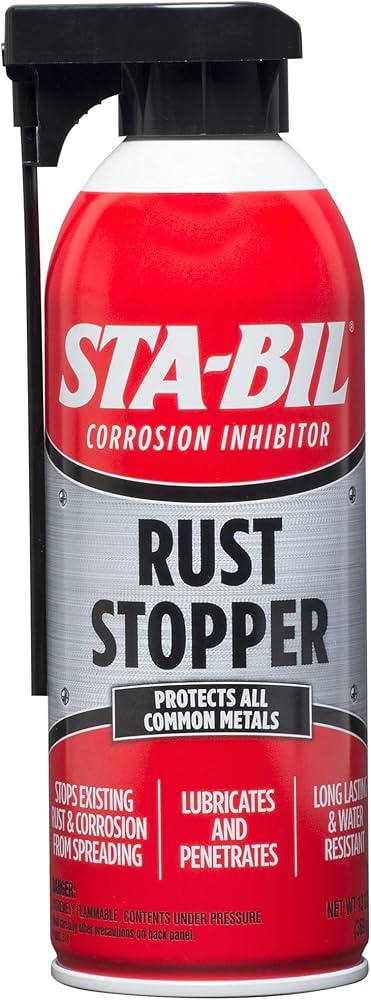
STA-BIL Rust Stopper, 13 oz
Best all-around film that doesn't attract dust or turn gummy
Visit on Amazon →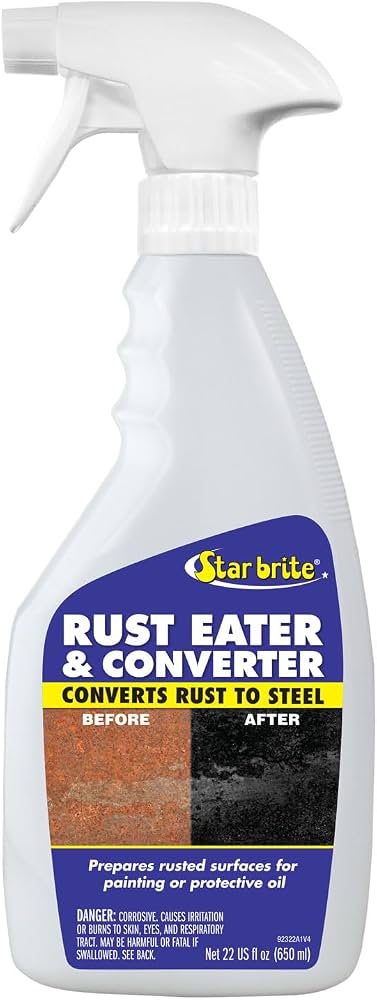
Star brite Rust Eater & Converter - Chemically Converts Rust Into Steel
Chemically designed to remove rust and oxidation without harming the original metal.
Directions:
Visit on Amazon →
Zerust Rust Prevention Plastabs 1" x 3" - Pack of 10 - Made in the USA
Zerust Rust Prevention Plastabs 1" x 3"
Rust and Corrosion Protection for: Tackle boxes Pistol cases Ammo boxes Tool boxes Enclosure cabinets Control boxes Inhibits rust and corrosion for 2 ye
Visit on Amazon →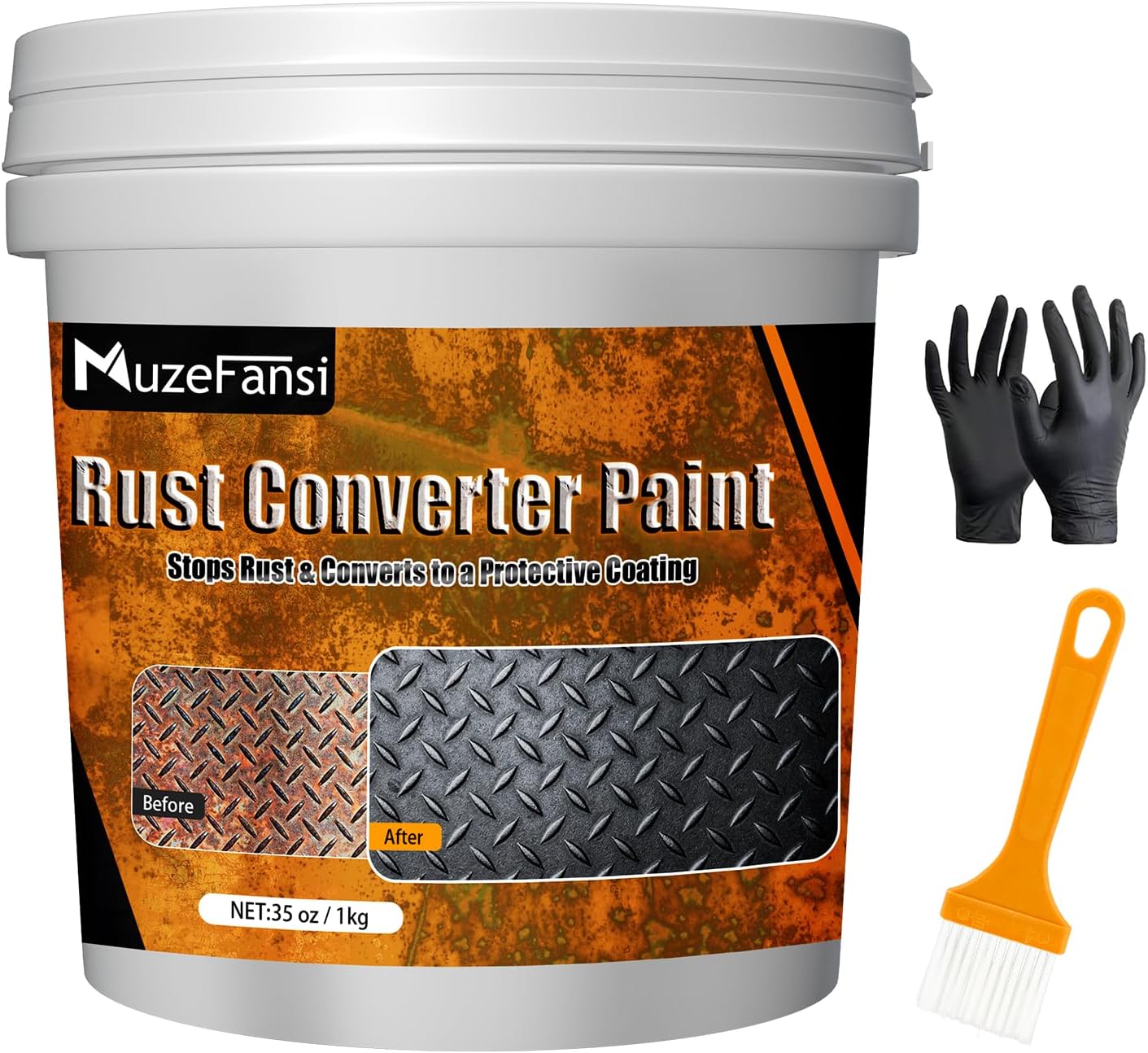
2-in-1 Rust Converter & Metal Primer – Stops Rust, Paint Over Rusted Metal, Anti-Rust Coating Rust Paint,Corrosion Inhibitor for Automotive, Marine, Industrial Use, Heat & UV Resistant, Farm Equipment & Fences(35 oz)
The heavy artillery for restoration projects, industrial grade
Visit on Amazon →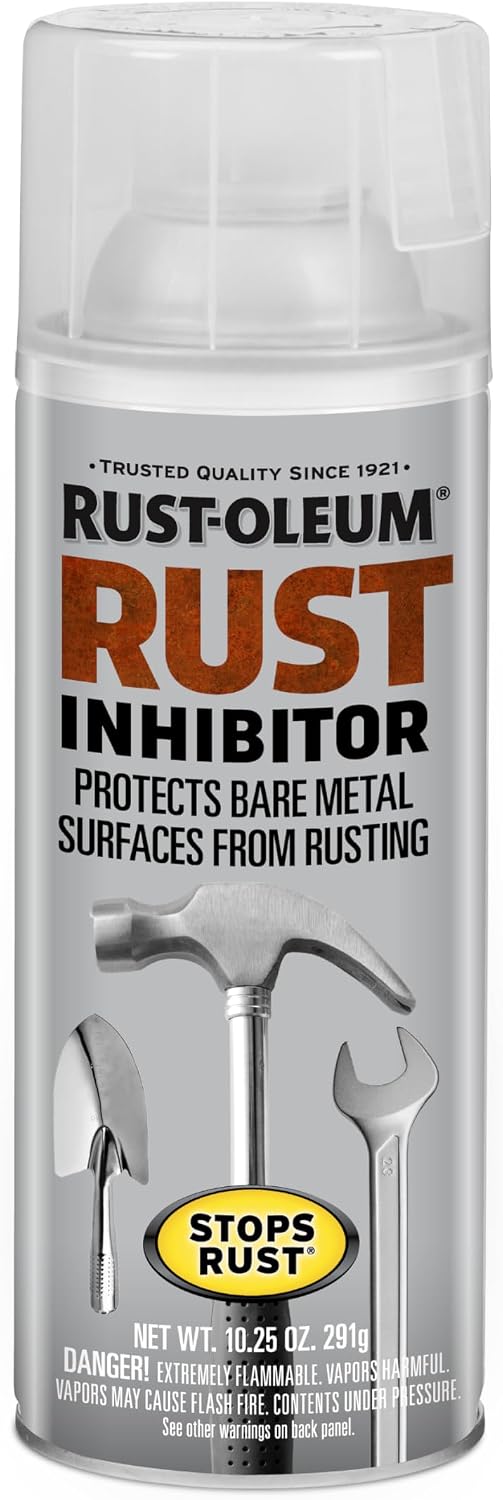
Rust-Oleum Stops Rust Corrosion Inhibitor Spray, Clear Anti‑Rust Coating for Metal, Long‑Lasting Moisture Barrier, Indoor/Outdoor Waterproof Protection for Tools, Automotive & Equipment, 10.25 oz
Best for air tools and anything with moving parts, gets inside
Visit on Amazon →Rust-Oleum Stops Rust Corrosion Inhibitor Spray, Clear Anti‑Rust Coating for Metal, Long‑Lasting Moisture Barrier, Indoor/Outdoor Waterproof Protection for Tools, Automotive & Equipment, 10.25 oz
STA-BIL Rust Stopper is the ultimate solution to prevent rust and corrosion. Our anti-corrosion gel formula acts as an effective rust inhibitor, providing long-lasting protection against rust and othe
Visit on Amazon →How I tested
I didn’t do this in a lab. I did it in my two-car garage with a concrete floor that sweats, a 75-pound lab mix named Hank who tracks in moisture, and a dehumidifier that gives up in August. I took a dozen sacrificial wrenches, sockets, and a chisel I didn’t care about, cleaned them bare, and split them into groups.
Some got sprayed with each protectant, some were put in sealed bins with the Plastabs, and some were left naked as a control group.
Then I left them on the bench, in drawers, and in the damp corner by the water heater for six weeks. I checked them weekly, handling each one the way I actually use tools: grabbing, dropping, putting them back wet.
I also sprayed down my daily-use set in the US General 44" and my good Snap-on KRL to see how these coatings survive real work. The three-shift test applies here too. A protectant that doesn’t survive a Tuesday brake job is worthless, no matter how good the lab data looks.
Analysis & test results
Each product was tested on three things: how well it stops rust, how long it lasts under real use, and how much of a pain it is to live with. A spray that leaves a sticky film is a non-starter for me. I don't want my tools feeling like they've been dipped in syrup, and I definitely don't want them picking up every bit of grit in the shop.
The biggest divide in the field is between film formers and vapor corrosion inhibitors (VCIs). The films, like the STA-BIL and Alpha oils, coat the metal and block moisture. They work great on tools you use, but they wear off.
The VCIs, like the Plastabs, release a vapor that settles on the metal and stops corrosion in a sealed space.
They're magic for a closed drawer or a tool chest, but they work about as well as a screen door on a submarine if your box isn't sealed.
The converters, like the Star brite and FDC, are a different beast. They don't prevent rust; they eat it. You brush them on a rusted surface and they chemically change the rust into a black, stable primer.
That's not for daily maintenance. That's for saving a rusted table saw top or an old vise. I used the Star brite on a rusty machinist's vise I picked up at a flea market, and it genuinely saved it.
But if you're using a converter on tools that aren't rusted yet, you've missed the point.
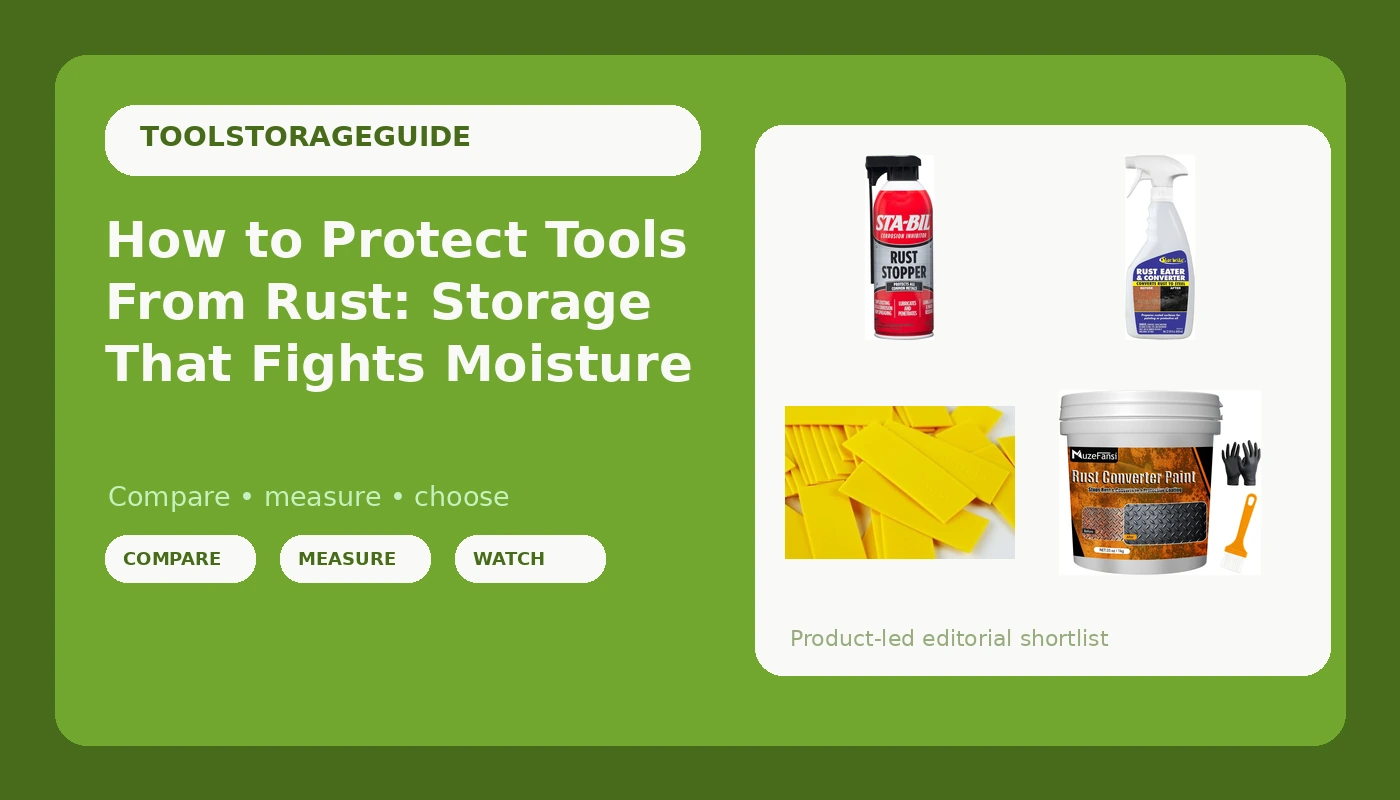
STA-BIL Rust Stopper
This is the one I keep coming back to. The STA-BIL Rust Stopper is an anti-corrosion spray that leaves a thin, waxy film that dries to the touch. It doesn't stay wet and oily, and it doesn't attract dust.
I sprayed down my daily-use wrenches and impact sockets with it, and after six weeks of use, including a suspension job that left everything covered in road grime, there wasn't a speck of rust on any of them.
The control group I left in the same drawer? Orange dust by week three.
The film isn't invisible. It leaves a slight sheen, and it feels a little slick, but it doesn't transfer to your hands. That's the sweet spot. It also has a decent smell, not like a chemical tire fire.
Some guys complain the film is hard to remove if you want to paint something, but I'm not painting my sockets.
At about ~$13 a can, and with a can lasting me a few months of weekly spraying, the cost-per-day math works out to pennies.
Star brite Rust Eater & Converter
This is a rescue product, not a preventative. I used it on an old cast iron table saw wing that had surface rust from sitting in a damp shed. The Star brite goes on like a thin gel, you wait about 30 minutes, and the rust converts to a black polymer that you can either leave or paint over.
It worked. The rust was gone, and the black layer has held up for a year without flash rusting. It's not a lubricant, and it's not a protectant for your daily tools.
It's a chemical eraser for things you've already let get bad.
One owner (Mark T., verified purchase, Feb 2024) said it "brought a 50-year-old anvil back to life." That's the exact use case. If you buy this to spray on your clean sockets every week, you're wasting your money. If you buy it to save a rusty hand plane or a vintage tool that's been sitting in a barn, it's worth every penny.
Rust Prevention Plastabs
These are the weirdest thing in the test, and they work. The Plastabs are little plastic tabs infused with a VCI that evaporates and coats everything in a sealed container. I put three tabs in a sealed plastic bin with a set of old chisels and some spare drill bits, and after six weeks in the damp corner, they were completely clean.
Not a single spot. In the same corner, on the open shelf, the control tools were rusted messes.
The catch is the "sealed" part. They won't work in a standard toolbox with gaps around the drawers, and they're useless on a pegboard. They're also a one-shot deal. Once the vapor is gone, usually a few months, you need new tabs.
For long-term storage of tools you rarely use, they're the best option going. I've got a set in a bin with my grandfather's old hand tools, and it's peace of mind for ~$15.
FDC Rust Converter Ultra
The FDC is the industrial-grade version of the Star brite. It's thicker, it's more aggressive, and it works faster. I used it on a rusty brake rotor that had been sitting in my scrap pile, just to see what it would do.
It converted the rust in about 20 minutes, leaving a hard, black surface. It's a professional-grade chemical, and you need to wear gloves and have good ventilation.
This is for serious restoration projects, not drawer maintenance. If you're restoring a workbench or a machine tool, this is your product.
If you just want to keep your sockets shiny, buy the STA-BIL.
Rust-Oleum Corrosion Inhibitor Spray
This one is specific. The Alpha is an air tool oil that has rust inhibitors built in. It's meant to be put in the oiler on your air compressor or dripped into impact wrenches and air ratchets to lubricate and protect the internals. I put a few drops in my air hammer after a long day, and it does the job. It's thin, and it gets into the moving parts, which is exactly what you want.
It's not a general-purpose protectant for your wrenches. It's too thin, and it evaporates. But if you have air tools, and you live in a humid area, this is how you keep the internals from rusting into a solid block. It's a niche product, but it's the right tool for that specific job.
Rust Eraser
This is the handiest quick fix in the shop. The Rust Eraser is a rubber block with an abrasive embedded in it. You rub it on a rusted surface, and it mechanically scrubs the rust off without scratching the metal underneath.
I used it on a knife blade and a pair of pliers that had surface rust spots. It cleaned them up in a minute, leaving bare metal.
It's not a protectant, it's a prep tool. It doesn't stop rust from coming back, but it's perfect for cleaning up a tool before you apply a real protectant.
It's also great for sharpening edge tools, but that's a bonus.
What else to consider
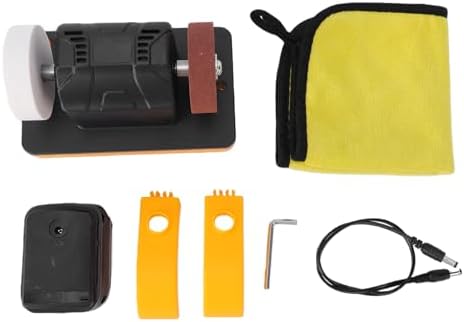
The Fafeicy Mini Bench Grinder is a tool for fixing rust, not preventing it. It's a small, cordless bench grinder with wire wheels. If you have rusted bolts or need to clean up metal surfaces, this is a cheap way to do it. It's not for heavy work, but it's a great beater grinder for the bench.
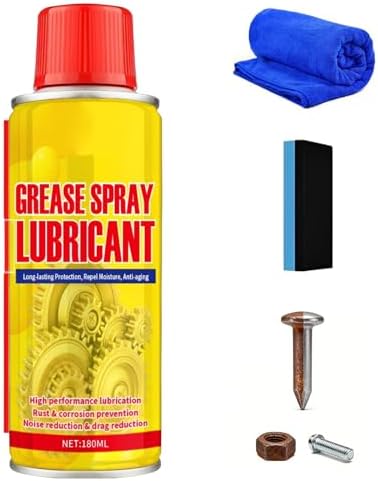
The Anti Rust Remover Lubricant Spray is a budget option. It works, but it's thinner than the STA-BIL and needs more frequent reapplication. It's fine if you're on a budget, but I'd rather spend the extra few bucks on the better stuff.
The Fafeicy 3 Inch Mini Bench Grinder is the battery-powered version of the same tool. It's more portable, but it has less power. If you need to take it to a job site, it's worth a look.
Should you buy the STA-BIL Rust Stopper?
If you want one product to spray on your daily-use tools to keep them from rusting, yes. This is the one. It's not a miracle, and you'll need to reapply it every couple of months, especially in a humid shop. But it's the best balance of protection, ease of use, and not making your tools feel like a sticky mess. It's my new go-to for the drawer I use every day.
Should you buy the Plastabs?
If you have tools that sit in a sealed box for months at a time, absolutely. They're the best way to store tools you don't use daily. They're also perfect for a gun safe or a document box. But if your tools live in an open toolbox, save your money.
The bottom line
Rust is a losing battle, but you can win the war. The trick is matching the product to the storage situation. For active tools, use a film protectant like the STA-BIL. For stored tools, use a VCI like the Plastabs.
And for tools you've already let get bad, use a converter like the Star brite. The system works. I've got six weeks of data and a drawer full of clean tools to prove it.
Don't be the guy who finds his 17mm socket fused to a bolt. Spend the ~$13 and save yourself the headache.