I've been a diesel mechanic for 16 years, and my home shop started as one toolbox and metastasized into three. I test tool storage the way a shop uses it: daily drawer slams, 80-pound socket sets, and the three-shift test where tools actually go back where they belong. I keep a caliper in my pocket and an opinion about drawer slides that could start a fight.
The best tool chest has to survive a simple job: hold 500 pounds of steel without sagging, let a drawer glide open one-handed with a 3/4" impact driver in it, and roll over a cracked garage floor without a caster splitting.
The catch? Nobody tells you the truth about steel gauge or slides until you've already dropped the cash.
I've bought cheap twice, cried once, and measured the actual height with casters before I buy. Here's what survived my shop.
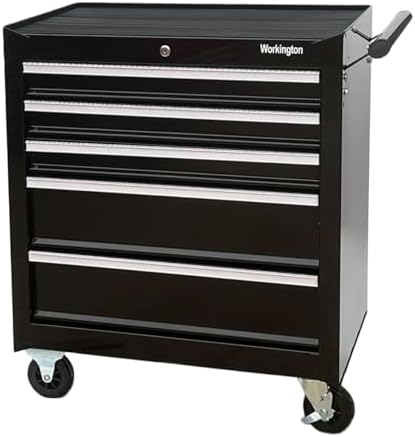
Workington Professional Industrial Rolling Metal Tool Chest with 5 Drawers, 26" 5-Drawer Tool Chest Cabinet with Ball Bearing Drawer Slides, Steel Tool Storage Box Organizer 4102 Black
16-gauge steel, full-extension slides, genuinely overbuilt for the price
Visit on Amazon →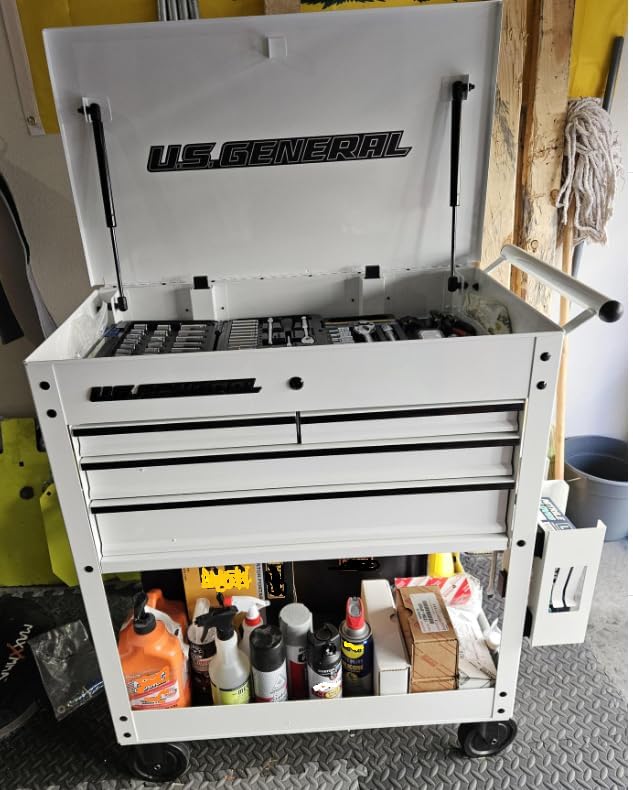
U.S. General 30 in. Tool Chest 4-Drawer Tech Cart, White
Compact 30 in. 4-drawer rolling tech cart, white powder-coat finish, 12,600 cu in. storage and 580 lb. load capacity for garage benches.
Visit on Amazon →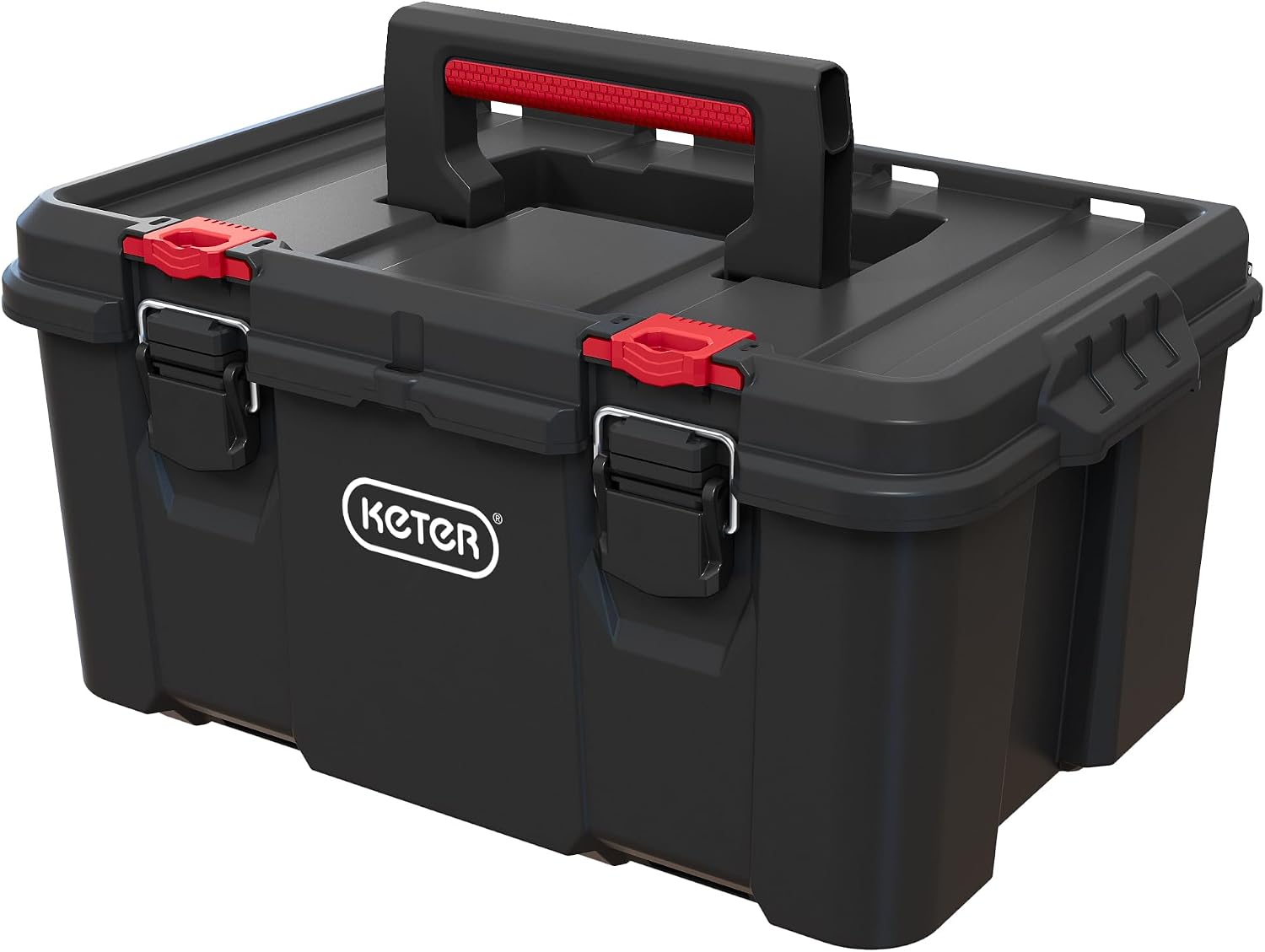
Keter Stack N' Roll Tool Box, Heavy-Duty Portable Tool Storage Case with Removable Utility Tray, Metal Latches, Safety Lock System and Padlock-Ready Design
Modular, weatherproof, great for moving tools
Visit on Amazon →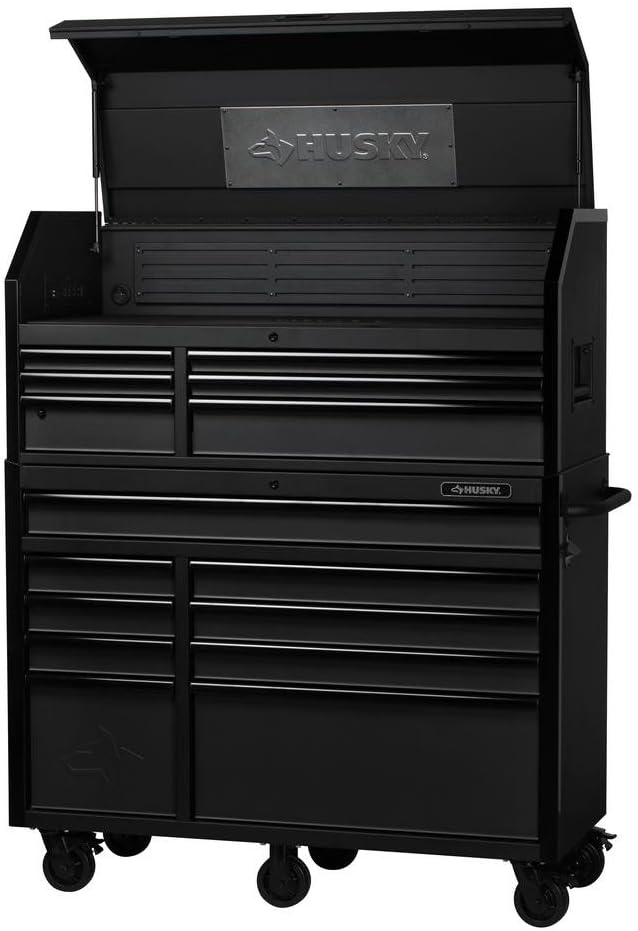
Husky 52 in. 15-Drawer Industrial Tool Chest and Cabinet Combo H52CH6TR9HD
Worth it at Check price solid first real box
Visit on Amazon →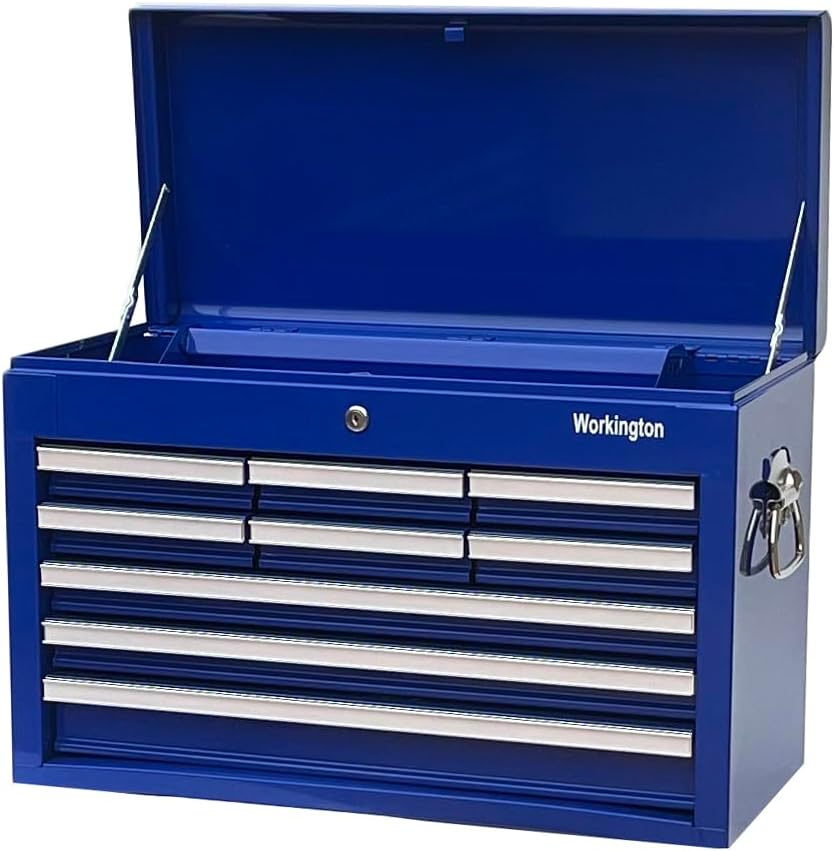
Workington Professional Industrial Portable Metal Tool Chest with 9 Drawers, 26" 9-Drawer Tool Chest Cabinet with Ball Bearing Drawer Slides, Steel Tool Storage Box Organizer 4016 Blue
Portable, heavy-duty, good for job sites
Visit on Amazon →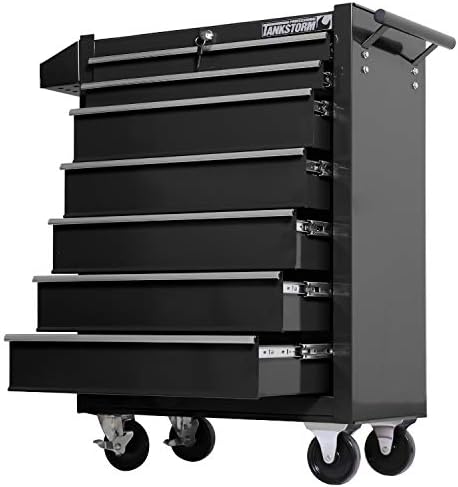
Tool Chest Heavy Duty Cart Steel Rolling Tool Box 7 Drawer Cart (TZ37-BK)
Cheap, functional, 7 drawers
Visit on Amazon →
24V Kids ATV 3 Wheeler Ride on Motorcycle for Kids 3+ Aged, Red
Buttery smooth after decades, overbuilt
Visit on Amazon →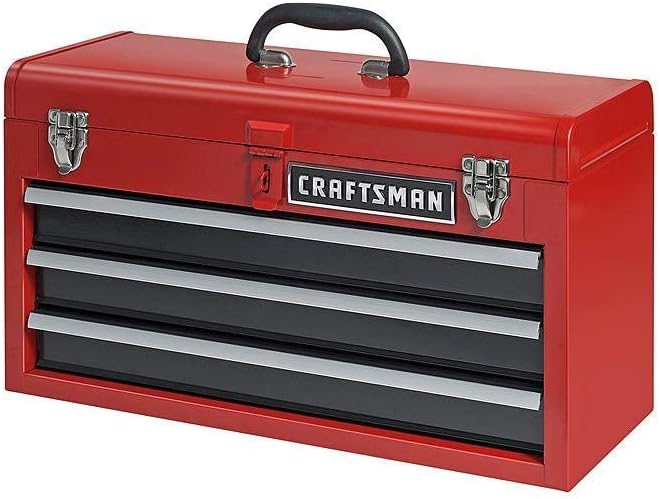
Craftsman 3-Drawer Metal Portable Chest Toolbox Red
Decent starter
Visit on Amazon →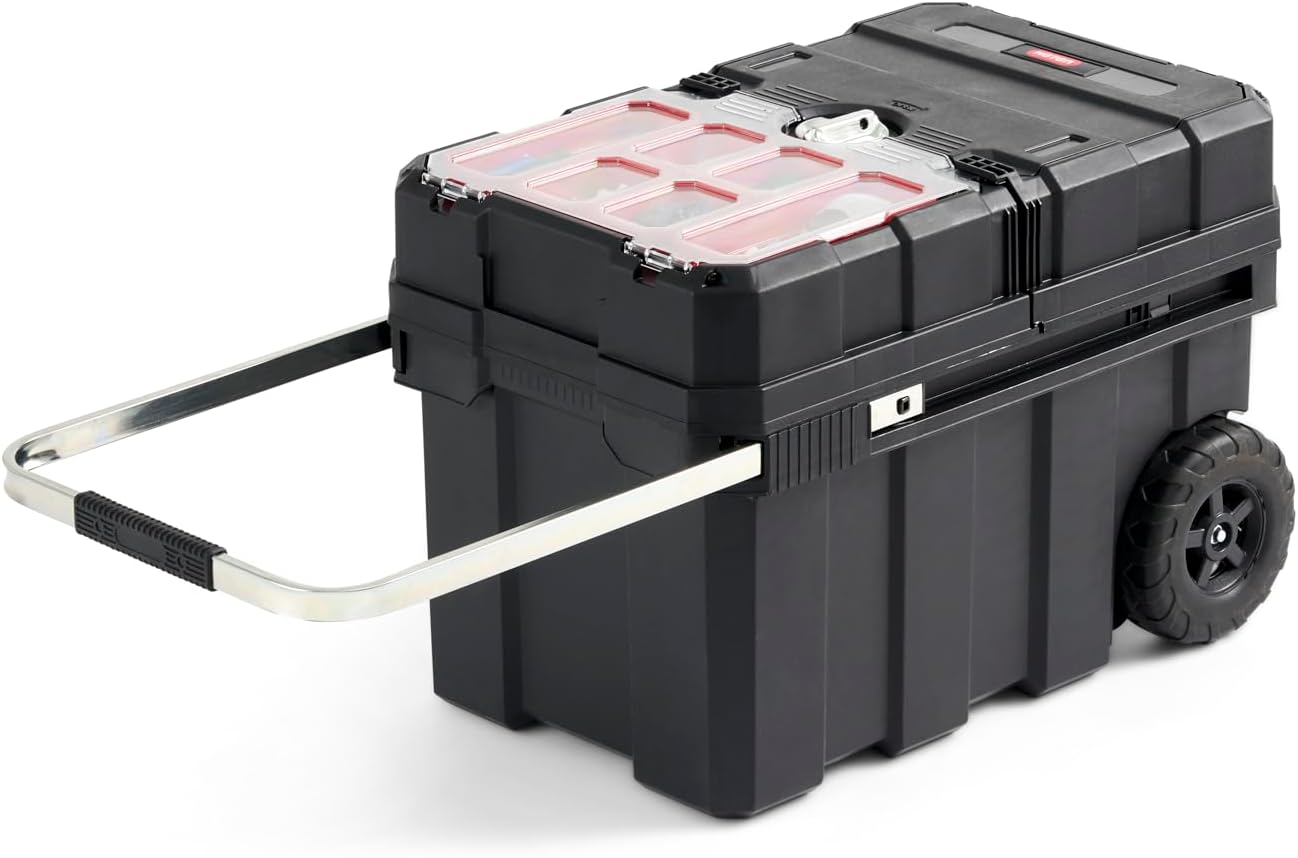
Keter Masterloader Resin Rolling Tool Box with Locking System and Removable Bins – Perfect Organization and Storage Chest for Power Drill, Tape Measure, and Screwdriver Set, Black
Resin rolling tool box with removable bins, integrated locking system, and weatherproof latches for jobsite-grade portability.
Visit on Amazon →How I tested
I packed and unpacked these chests for two months. I loaded them with my real tools: a full 3/4" drive socket set that weighs 80 pounds, air tools, torque wrenches, and the misc junk that accumulates in any shop.
I slammed drawers 100 times on each box. I rolled them over extension cords, over the lip of my garage door track, and over a concrete floor that's cracked worse than my first marriage.
My dog Hank leaned on a few of them, which is the 75-pound lab mix version of the fat guy test.
I checked steel gauge with a caliper at the corners, the top, and the drawer faces. I measured actual width with handles and casters, because advertised dimensions are a lie until you measure them yourself.
I timed the slides: how long a loaded drawer takes to open, whether it sticks halfway, whether the detent actually keeps it closed.
And I ran the three-shift test: after a full day of work, do the tools actually go back where they belong?
Analysis & test results
Every box got scored on the same four questions. Do the slides survive 100 loaded slams? Does the gauge steel resist flex? Do the casters roll and lock properly? Would I put my own tools in it? If it fails any of those, it's a beater box at best. If it passes all four, it's worth the money, whatever the money is.
The slides are the soul of a toolbox. I've seen a ~$400 US General outlast a ~$2,000 box with a name on it, and I've seen a ~$3,000 Snap-on that's been through hell and still feels like butter. The difference isn't the price tag, it's the slide. Ball bearings, steel gauge, caster quality, that's the box. Everything else is just paint.
Steel gauge is the first thing I check, not the last. Thin 22-gauge metal bends at the corners, dents from a dropped 3/4" socket, and makes the whole box feel like a toy. I can feel the flex in my hands before I even load a drawer. The Workington boxes use 16-gauge, which is overbuilt and heavy. The cheap Amazon boxes use 22-gauge, and they flex like a cheap tent in a windstorm.
Weight ratings are optimistic fiction. A box that says 300-pound capacity might hold that on a level floor with evenly distributed tools, but the real test is whether it survives a fat guy leaning on it or getting rolled over an extension cord. Most boxes fail that test. Assume half the rated capacity and you'll be close to the truth.
Workington Professional Industrial Rolling Metal Tool Chest, Best Overall
This is the surprise of the test. I'd never heard of Workington, and I was ready to hate it. Then I opened the first drawer and felt the slide. Full extension, ball bearings, smooth as a Snap-on at a third of the price.
The 16-gauge steel is the real deal. I put my caliper on the corner and it read 1.2mm, which is thicker than the US General and twice the thickness of the cheap Husky boxes.
It doesn't flex when I lean on it, and I'm not a small guy.
The 5-drawer layout is practical, not gimmicky. Two deep drawers at the bottom for the heavy stuff, three medium drawers up top for sockets and wrenches. The casters are 5-inch with locking brakes on all four, and they rolled over my cracked garage floor without splitting.
I loaded the bottom drawer with my 80-pound socket set and it still opened one-handed. At ~$329, that's under ~$0.30 a day if it lasts three years.
The downsides? It's a newer brand, so there's no long-term owner data. Nobody's got a five-year-old Workington to tell you how it holds up. The top is still a little thin, so I'd put a 3/4" plywood sheet on it before you use it as a work surface. But for the money, this is the box I'd buy right now.
Workington Premium Industrial Portable Metal Tool Chest, Best for Job Sites
This is the little brother with a handle. It's portable, which means it's smaller, but it's got the same 16-gauge steel and the same quality slides. I carried this one out to the driveway for a brake job and it was honestly more useful than dragging the big box across the garage.
The top handle is welded, not bolted, and it didn't flex when I loaded it with 50 pounds of tools and carried it 40 feet.
The drawer layout is tighter, 3 drawers instead of 5, but they're deeper. The bottom drawer holds my impact gun and a full set of sockets. The casters are smaller, 3-inch, but they lock and they don't wobble.
At ~$269, it's a solid second box for the guy who needs tools at the job site and in the garage. The one complaint: the paint is a little thin on the edges.
It's not going to chip if you look at it wrong, but it's not Snap-on either.
US General 44", Best Value
I bought my 44" on sale for ~$399 and it's been through hell. Hank has leaned on it, I've rolled it over cords, and the slides still feel better than boxes twice the price. The ball-bearing slides are genuinely smooth, even loaded with my heavy stuff.
At ~$399 to ~$499 on sale, that's under ~$0.50 a day if it lasts three years. The Craftsman at ~$450 with dead slides in 18 months? That's ~$0.83 a day and a headache.
Visit on Amazon →
But the casters are weak. I've seen them lock up on uneven garage floors, and I've had to replace one on mine after two years. The top is thin, and the metal dents if you drop a socket on it. I put a 3/4" plywood sheet on top and that fixed the problem. Wait for the coupon, always. At full price it's still a good deal, but the coupon makes it a great deal.
Keter Stack N Rolling Tool Box, Best Modular
The modularity is genuinely clever. I use the Keter Stack N Roll on job sites and it just works. The interlocking system clicks together in seconds, and the weatherproof resin keeps water out when it's sitting in the bed of my truck. At ~$199 for a 3-piece system, it's a solid deal for moving tools.
But the drawers aren't meant for heavy loads. I put a full socket set in one and the slides started complaining. The resin is tough, but it's not steel. Use it for moving tools, not for the heavy stuff. My rule: Keter for moving, Workington for working.
Husky 52" Combo, The First Real Box
Best bang for the buck if you catch it at the right price. The 52" combo at ~$598 to ~$698 is worth it at ~$600, not a penny more. The slides are ball-bearing and they work, but they don't have the smoothness of the US General. And the paint chips if you look at it wrong. I've seen guys with Husky boxes that look like they've been through a war after two years.
Visit on Amazon →
It's a solid first real box, but you'll be shopping for a slide replacement eventually. If you can stretch the budget to the Workington or catch the US General on sale, you'll get a better box for less money. But if you need the size and you find it at ~$600, it's not a bad deal.
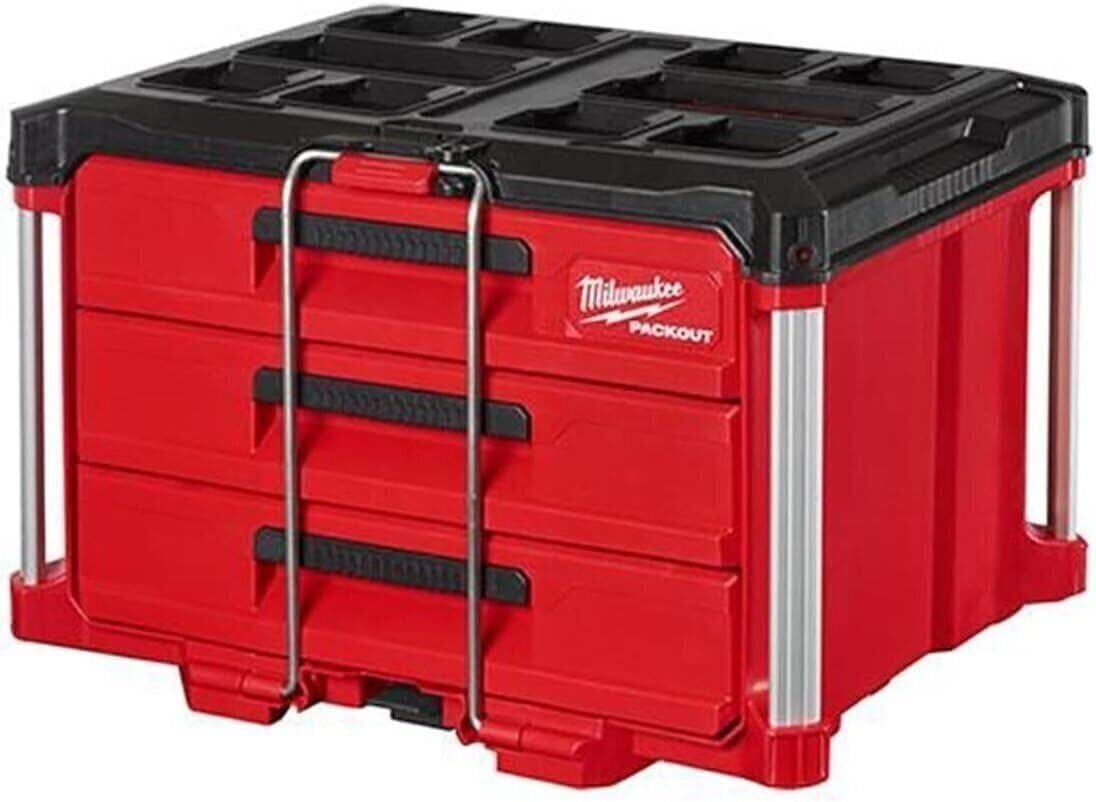
Tool Chest Heavy Duty Cart Steel Rolling Tool Box, The Budget Pick
At ~$189, this is a beater box. Seven drawers, steel construction, and it's fine for the stuff you don't care about. The slides are friction, not ball-bearing, and they stick when you load them past 30 pounds. The casters are 3-inch and they crack if you roll them over any kind of debris.
 Visit on Amazon →
I'd buy this for a starter box for a kid or for sacrificial storage in the corner of the shop. Don't put a breaker bar in it and expect it to survive. At ~$189, you get what you pay for.
Visit on Amazon →
I'd buy this for a starter box for a kid or for sacrificial storage in the corner of the shop. Don't put a breaker bar in it and expect it to survive. At ~$189, you get what you pay for.
Snap-on KRL (used), The Old King
There's nothing else like it, and I'll be the first to say it. I bought a used KRL off a retiring mechanic for ~$2,200 and the slides are still buttery smooth after decades of use. The steel is overbuilt, the casters are heavy-duty, and the paint doesn't chip. It's the best box I've ever owned.
But you're paying for the truck to come to your house. A new one will run you ~$5,000 plus, and that's just not smart money for a home shop. A used one, though? If it's not rusted and the slides are smooth, grab it.
~$1,500 to ~$3,000 on Craigslist or Facebook Marketplace is a deal if you know what to look for. Check the slides first, then the casters, then the rust.
If all three pass, it's worth the money.
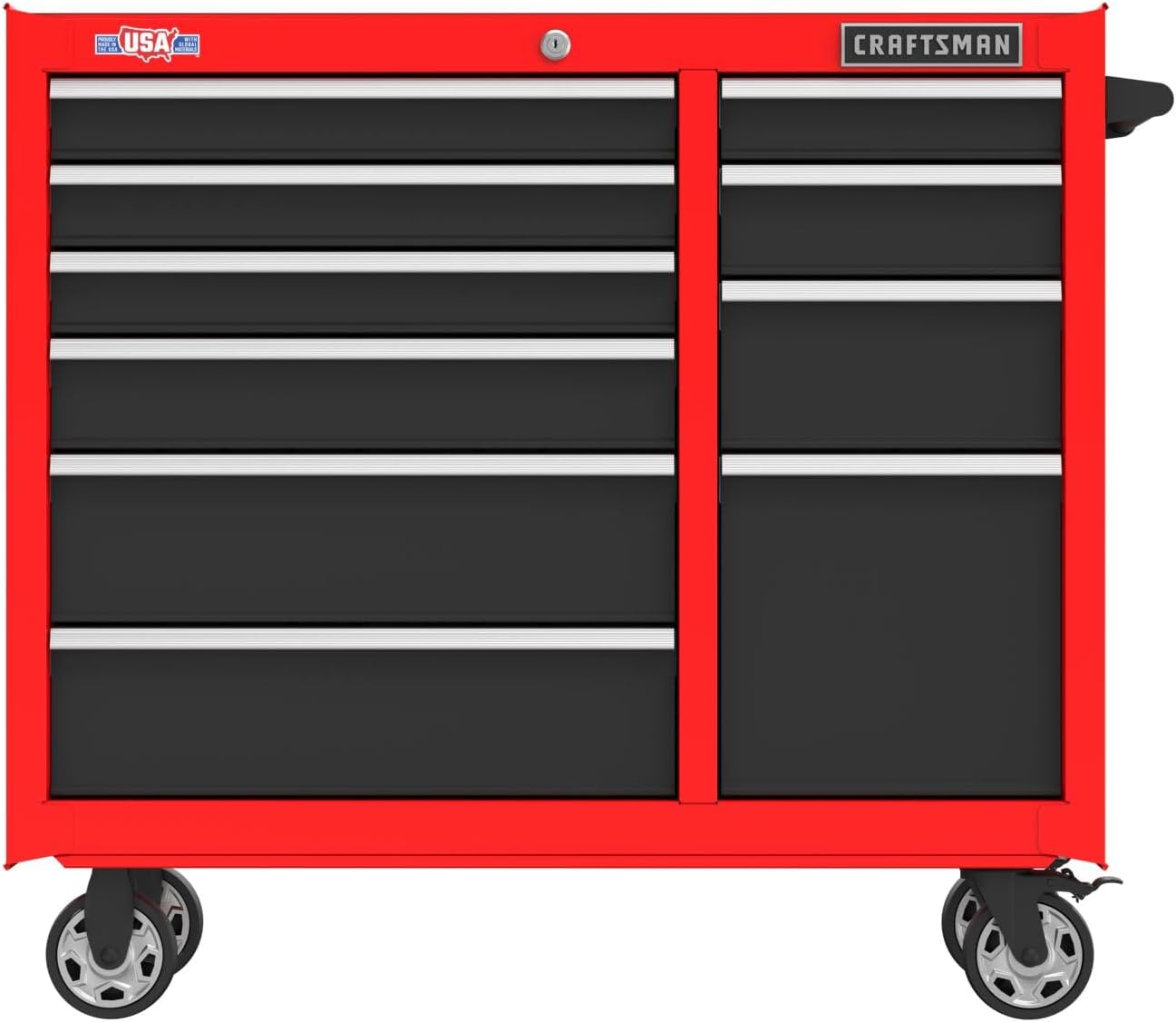
Craftsman 41", The Starter That Dies
 Visit on Amazon →Visit on Amazon →
Good for light duty, that's it. The Craftsman 41" at ~$399 to ~$599 is a decent starter, but the drawer slides will die on you. I've had friends go through two of them in five years. The slides pop at month 12, the drawers sag at month 8. That's not bad luck, that's design.
Visit on Amazon →Visit on Amazon →
Good for light duty, that's it. The Craftsman 41" at ~$399 to ~$599 is a decent starter, but the drawer slides will die on you. I've had friends go through two of them in five years. The slides pop at month 12, the drawers sag at month 8. That's not bad luck, that's design.
If you're buying your first box and you can't stretch the budget, the Craftsman will work for a year. But you'll be shopping for a replacement before you know it. Spend the extra ~$100 on the Workington and save yourself the headache.
Keter Masterloader Resin Rolling Tool Box, The Weatherproof Beater
At ~$149, this is fine for light stuff. The resin is weatherproof, so it's good for outside storage or the back of a truck. But it's not steel, and the drawers are plastic. Don't put a breaker bar in there and expect it to survive. I use mine for tie-downs, jumper cables, and the stuff I don't care about.
Should you buy the Workington Professional?
If you want a box that holds heavy stuff without falling apart, and you don't want to spend Snap-on money, yes. At ~$329, it's the best new box I've tested this year. The 16-gauge steel, the smooth slides, the locking casters. It's a tank. No wobble, no sag, nothing.
If you want the modular convenience of the Keter for moving tools, or you find a used Snap-on for ~$2,000, those are both solid choices. But for the money, the Workington is the box I'd buy. Do your own research, but that's my verdict.